Bamby Lab Filament
Bambu Lab filament is specially developed for use with Bambu Lab 3D printers . The filament works perfectly with the smart features of these printers. Think of automatic flow calibration and AMS (Automatic Material System) . This ensures you always get beautiful, strong prints without any hassle.
Bambu Lab offers filament in many types and colors. From standard From PLA to specialty materials like PETG and TPU , each filament type has its own strengths. PLA is easy to print and ideal for beginners. PETG is stronger and more heat-resistant. ABS gives you professional results with high strength. TPU is flexible and perfect for prints that need to bend.
All Bambu Lab filaments come on spools that fit directly into the AMS. You don't need to buy or modify anything extra. The spools have a chip that automatically tells the printer which material you're using. This allows the printer to automatically set the correct temperature and speed. This saves time and prevents errors.
Bambu Lab filament is of high quality. Its diameter is consistent, usually accurate to within 0.03 mm. This ensures consistent, problem-free prints. The filament is securely packaged with a desiccant. This keeps it dry during storage and prevents moisture from seeping into your prints.
Whether you're a hobbyist or a business printer, Bambu Lab filament delivers reliable results. The combination of high quality and ease of use makes it a smart choice for anyone with a Bambu Lab printer.

Why choose Bambu Lab filament?
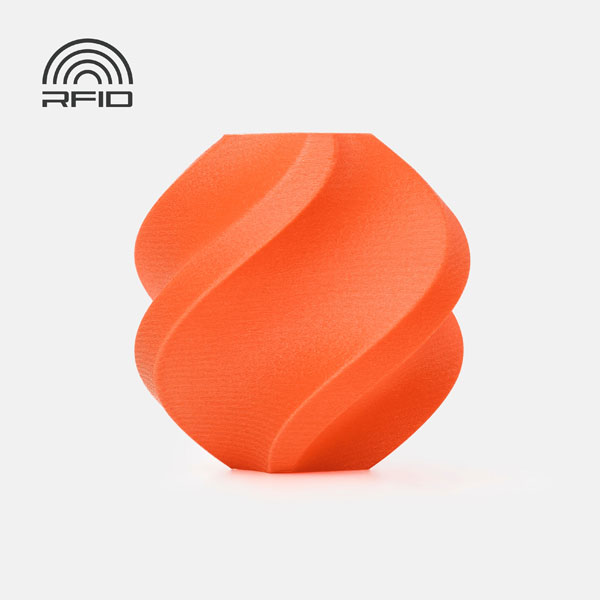
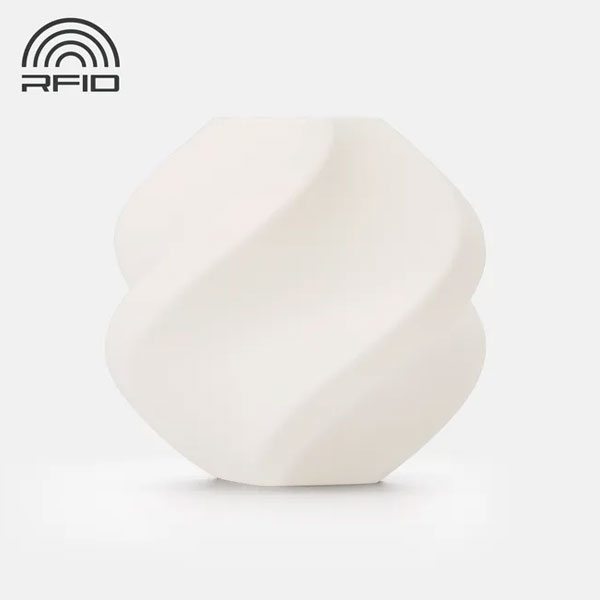
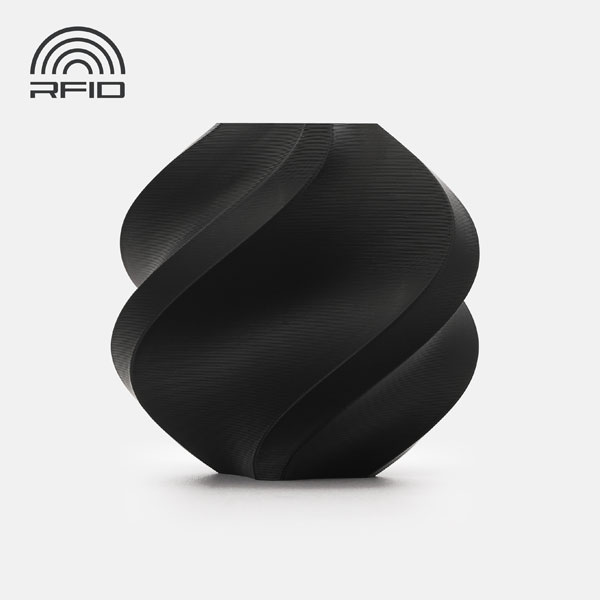
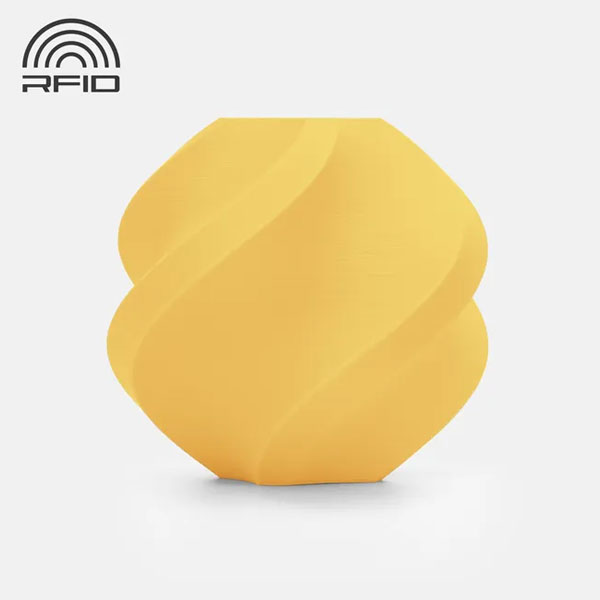
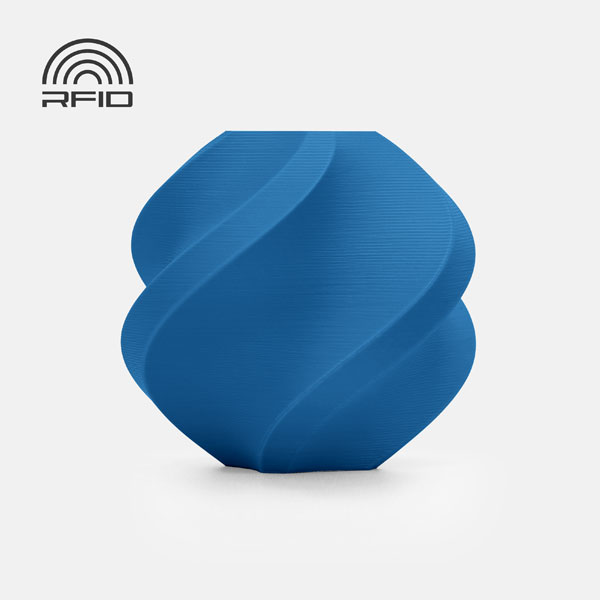
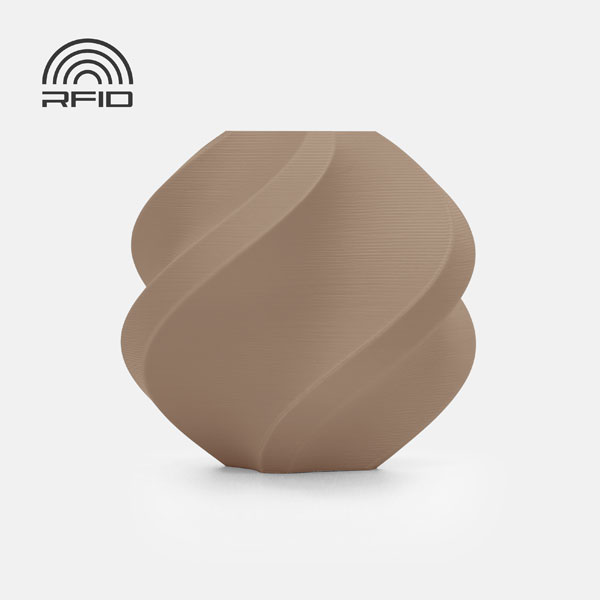
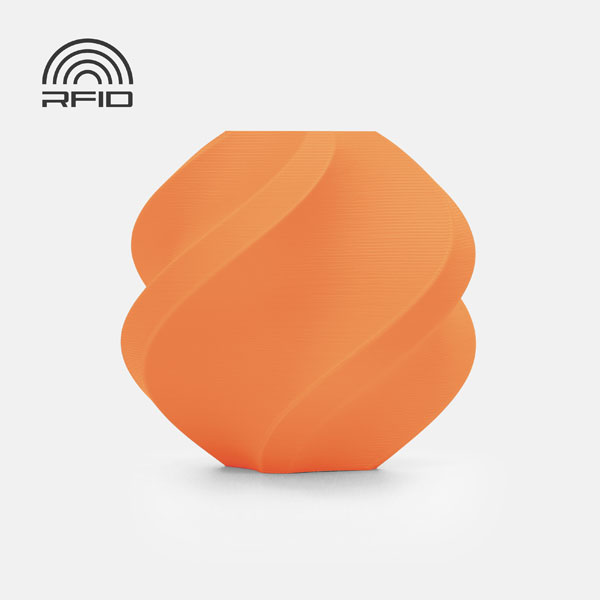
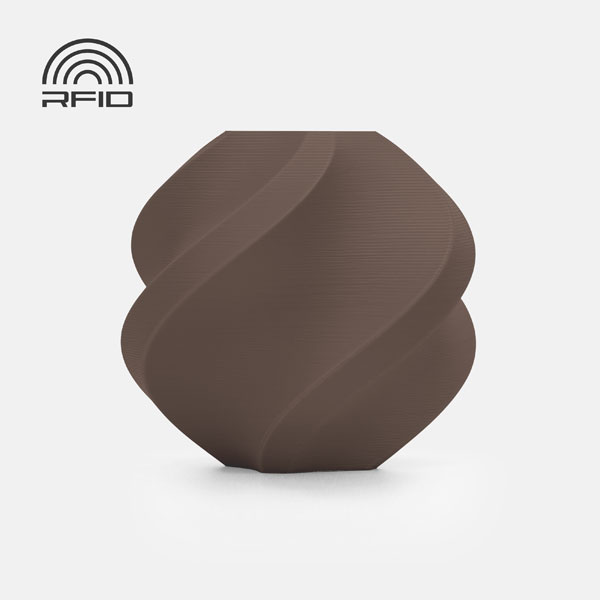
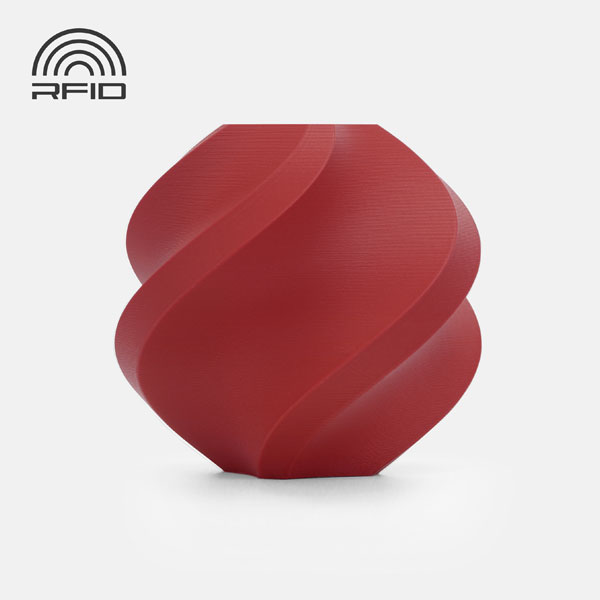
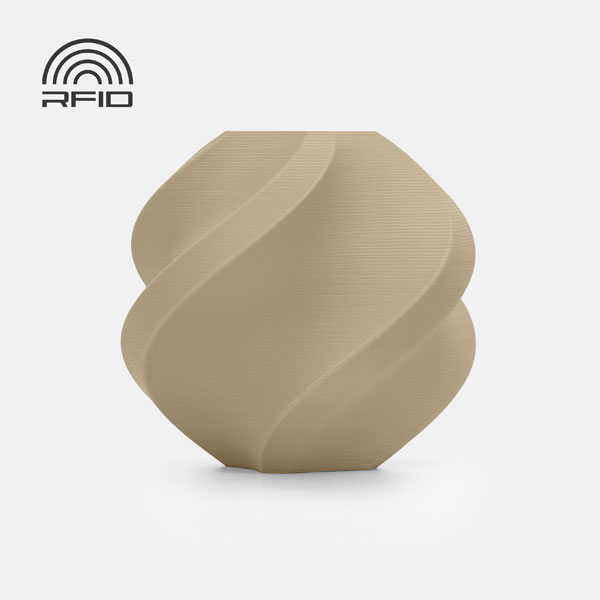
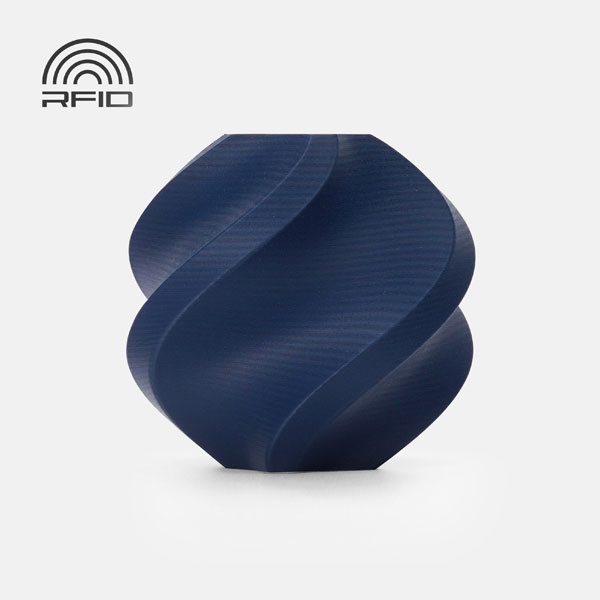
Bambu Lab filament is designed to work perfectly with Bambu Lab printers . This is evident in every detail. The spools fit perfectly in the AMS without any modifications. The RFID chip on each spool communicates with your printer. This allows the printer to automatically recognize the material you're using and adjust all settings accordingly. You don't need to configure anything yourself.
The quality is consistent. Bambu Lab monitors the diameter of the filament strand during production. The deviation remains within 0.03 mm. This may sound small, but it makes a big difference. A consistent diameter means consistent flow. And that means beautiful, even prints without streaks or gaps.
Each filament type has distinct properties. PLA Basic is affordable and easy to print. Perfect for prototyping, decoration, and general use. PLA Matte gives your prints a professional look without the sheen. PETG is stronger than PLA and can withstand higher temperatures. Ideal for functional parts that need to withstand some wear and tear. ABS is even stronger and more heat-resistant, but requires an enclosed print space. TPU is flexible and impact-resistant, useful for phone cases or seals.
The colors are bright and consistent. What you see in the photo is what you get in real life. Bambu Lab uses high-quality pigments that won't fade. Even after months in the sun, your prints will remain beautiful. The range is constantly expanding, from basic colors like black and white to striking hues like neon green or metallic blue.
Which Bambu Lab filament is right for your project?
The choice depends on what you want to create. For decoration and prototypes, Basic PLA is the best choice. It prints easily, has a low odor, and produces beautiful results. The price is competitive, so you can print a lot without breaking the bank. Matte PLA is ideal if you want a professional look without the sheen. Think of miniatures, figurines, or design objects.
Do you make functional components? Then PETG is a smart choice. It's stronger than PLA and can withstand temperatures up to 80 degrees Celsius. It's also somewhat more flexible, making it less likely to break when impacted. PETG is highly resistant to chemicals and moisture. That's why you often see it in mechanical components, housings, and outdoor applications.
ABS is used for parts that really need to be durable. It's heat-resistant up to 100 degrees Celsius and very strong. However, you do need an enclosed print space because ABS warps easily. The Bambu Lab printers with enclosed enclosures are perfect for this. ABS is popular for car parts, tools, and technical prototypes.
TPU is special. It's flexible and pliable, yet strong. You can use it for phone cases, straps, seals, and anything that needs to give. Bambu Lab TPU prints surprisingly easily, even at high speed. That's not the case with every brand. Most flexible filaments are tricky, but Bambu Lab has it covered.
Tips for the best results with Bambu Lab filament
Always store your filament in a dry place. Even if it's well-packaged, moisture can seep in if you leave the packaging open. Use a drying box or resealable bags with desiccant. Damp filament creates bubbles and weak prints. You'll also hear it: a hissing sound while printing is a sign of moisture.
Use the presets in Bambu Studio . The software has a profile for each Bambu Lab filament. These profiles have been tested and produce good results right away. You can, of course, adjust them if you want to experiment, but always start with the default settings.
Pay attention to the first layer. A good first layer is the foundation of every beautiful print. Make sure your bed is clean and well-leveled. Bambu Lab printers do this automatically, but check it manually occasionally. Use the correct bed temperature for your material. PLA prints at a bed temperature of 45-60 degrees Celsius, PETG at 70-80 degrees Celsius.
Change your nozzle regularly. Even the best filament wears out your nozzle over time. A worn nozzle results in inconsistent flow and lower quality. Check your nozzle every few months and replace it when you see wear. Hardened steel nozzles last longer, especially with filled filaments.
Experiment with different colors and types. Bambu Lab filament is reliable, so you can feel free to try new things. Combine colors in the AMS for multicolor prints. Or test a new material for a specific project. Each filament has its own character and possibilities.
Frequently asked questions about Bambu Lab filament
What is the best Bambu Lab filament for beginners?
PLA Basic is the best filament for beginners. It prints easily at low temperatures, doesn't warp quickly, and delivers beautiful results instantly. You don't need a closed printer, and the price is competitive. Perfect for getting started.
Can I use Bambu Lab filament on other 3D printers?
Yes, that's possible. Bambu Lab filament works with any printer that uses standard 1.75mm filament. You will, however, miss the automatic RFID chip recognition feature. In that case, manually set the correct temperature and speed for the best results.
How do I best store Bambu Lab filament?
Store filament in a drying box or airtight bag with desiccant. Keep it out of the sun and at room temperature. Moisture is filament's worst enemy. Properly stored filament will last for years and always produce beautiful prints.
What is the difference between PLA Basic and PLA Matte?
PLA Basic has a glossy finish and is the most affordable. PLA Matte has a matte, professional look without the sheen. The printing properties are the same, only the appearance differs. Matte is popular for design objects and miniatures.
Which filament do I use for strong functional parts?
For strong components, choose PETG or ABS. PETG is easier to print and highly resistant to impact and moisture. ABS is even stronger and more heat-resistant, but requires a closed printer. Both are much stronger than PLA.