Fastening material & mounting material
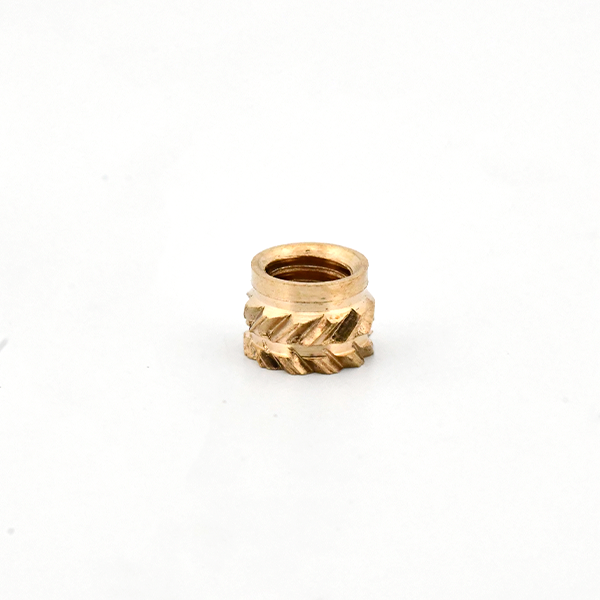
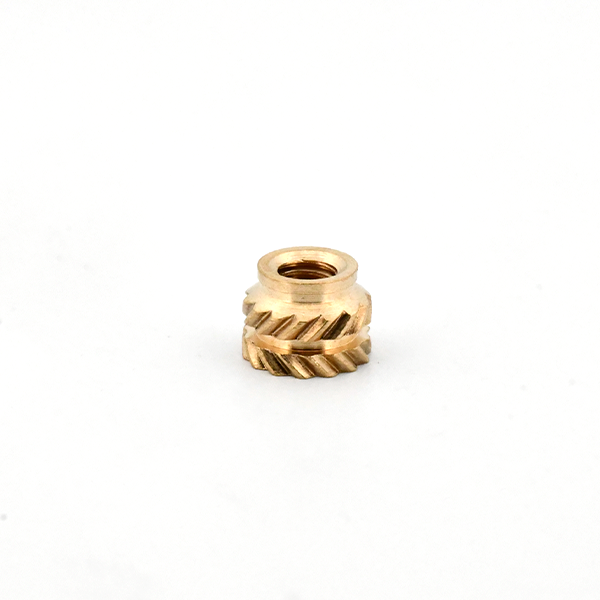
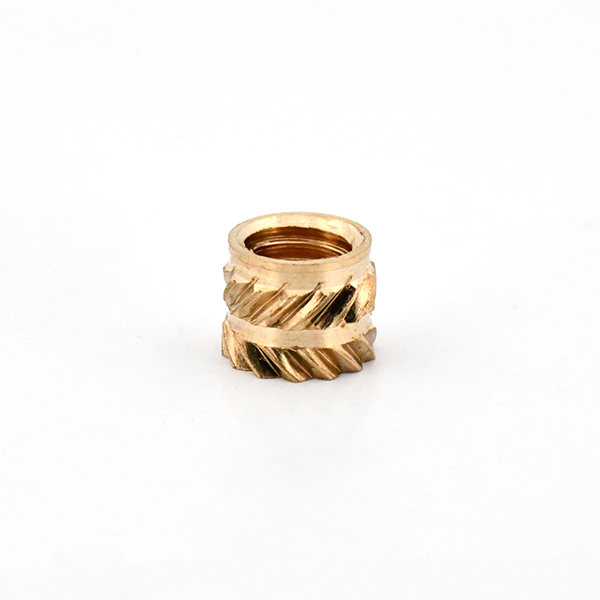
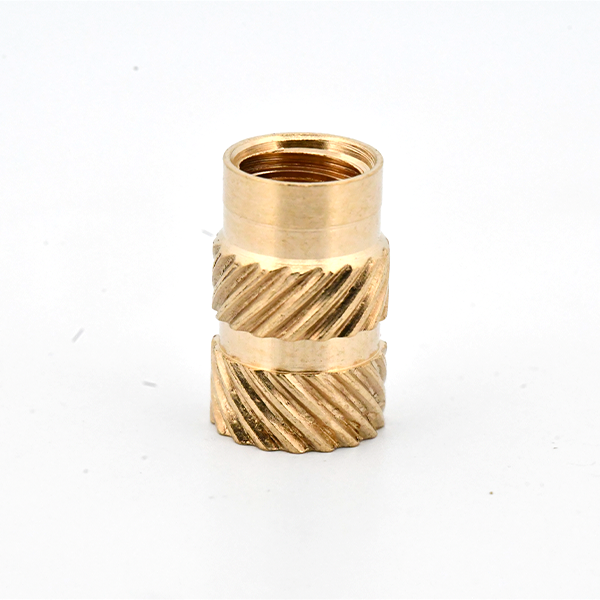
Types of mounting materials and their applications
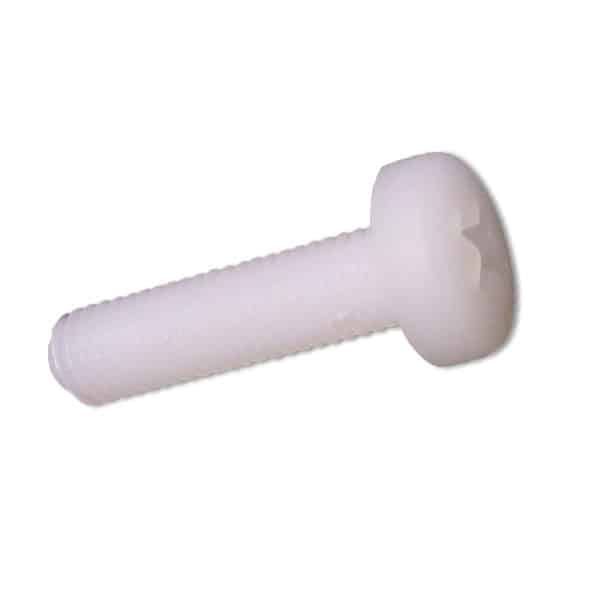
Mounting material comes in many forms. Screws and bolts are the most commonly used components. They hold printed circuit boards in place, for example in a cabinet or on a plate. If you choose the right length and head shape, everything will fit properly.
Are you using nuts and washers? Then your mounting will remain firmly in place, even if there is movement or vibration. That makes your setup more reliable.
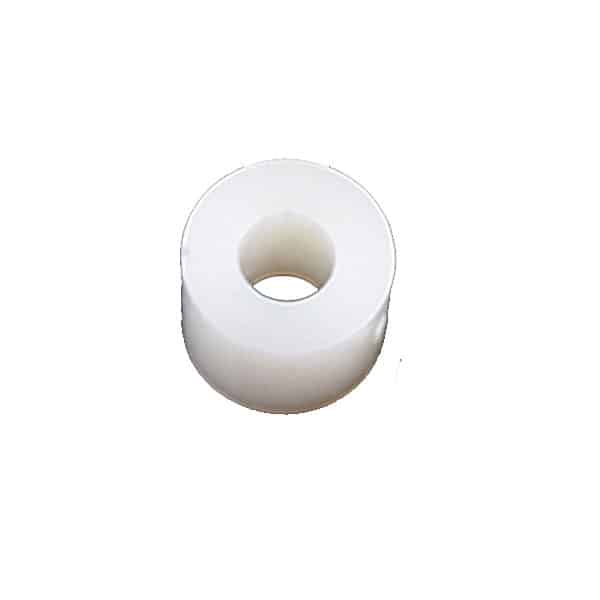
Spacers are just as important. These small tubes or blocks provide space between components. This is necessary for ventilation and to prevent short circuits. You can find them in plastic or metal. Some click into place, others tighten with a screw thread.
Are you in a hurry or are you working on a temporary setup? Then double-sided tape is handy. With it you can quickly secure light parts without drilling or screwing. Mounting pads are also suitable for this.
Application in practice
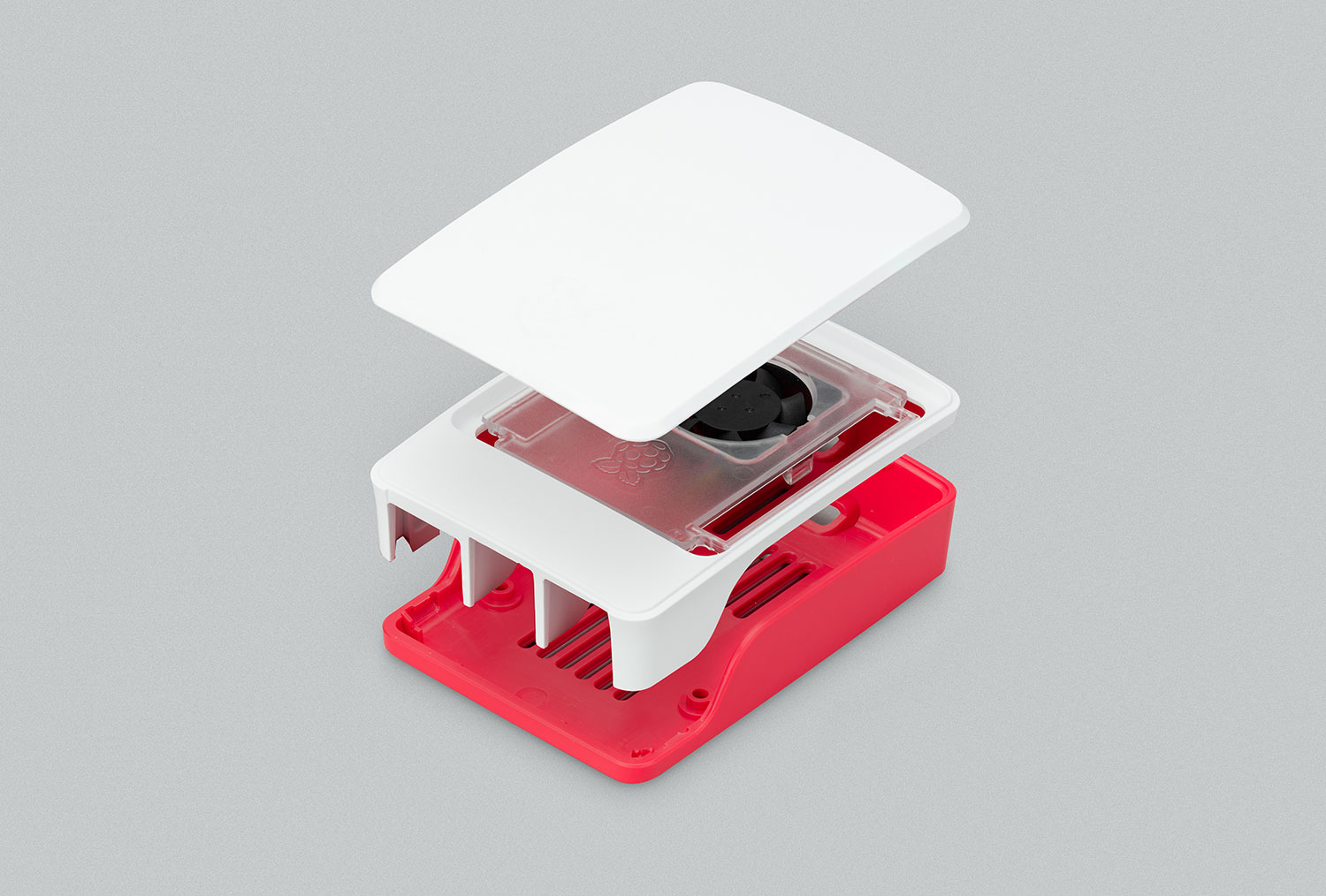
In almost every project you use mounting material. Think of securing an Arduino in a cabinet or a Raspberry Pi on a base plate. With spacers you build printed circuit boards on top of each other. Handy for expansion modules or shields.
Good material is also useful for test setups on a Breadboard. A piece of tape prevents a sensor from shifting or a battery from coming loose. This allows you to work faster and more reliably.
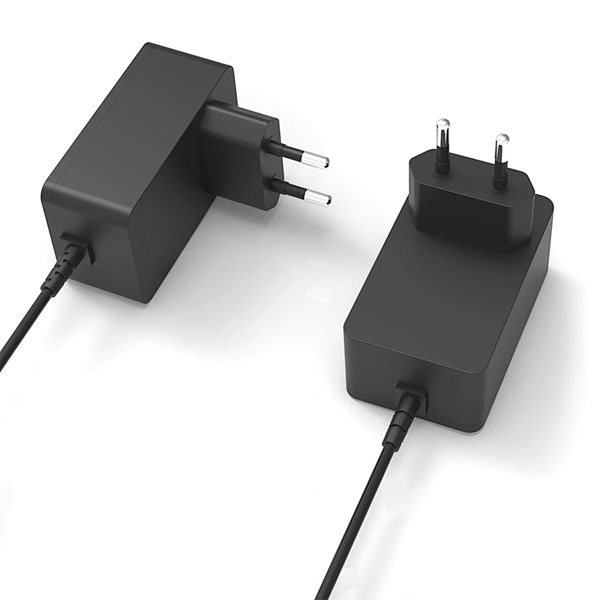
When making your choice, consider the environment. Are you using a metal housing? Then plastic spacers are safer, because they do not conduct electricity. Are you working with components that get hot, such as motor drivers or power supplies? Then make sure there is enough space for air.
Also look at the screws. Screws that are too long can damage printed circuit boards. Screws that are too short won't hold anything. So choose exactly what you need.
Material selection and quality
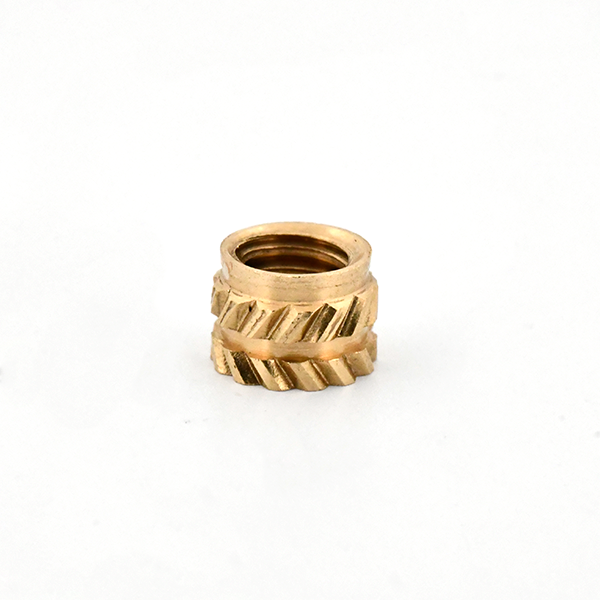
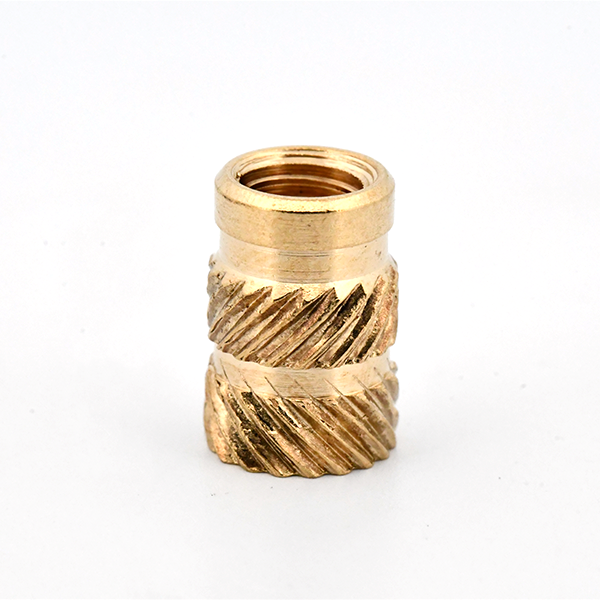
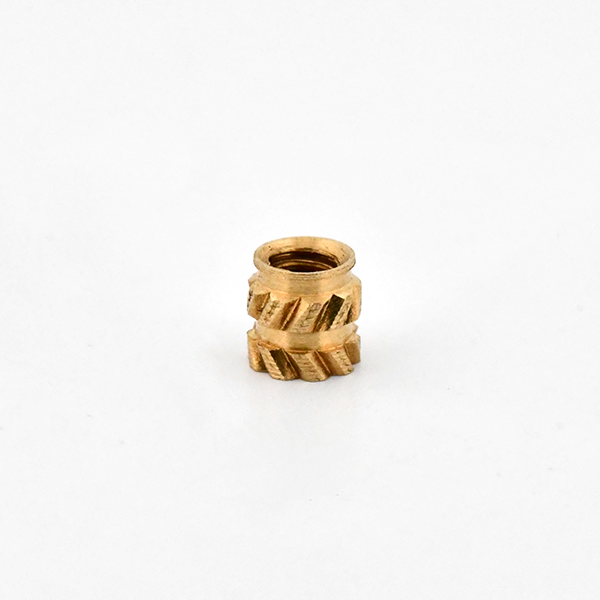
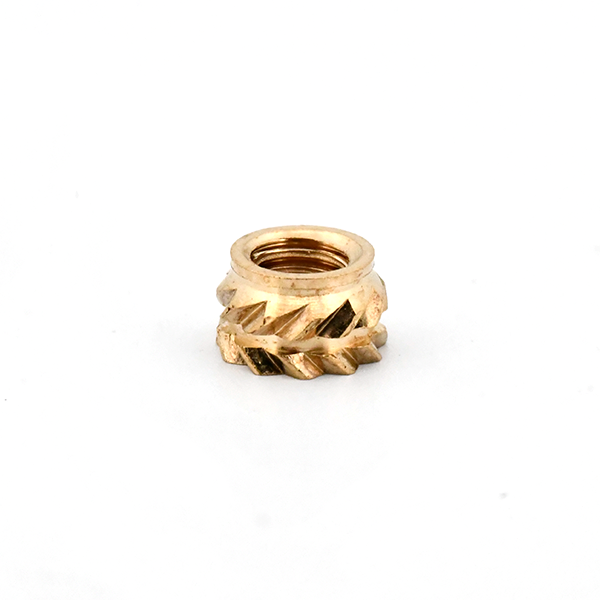
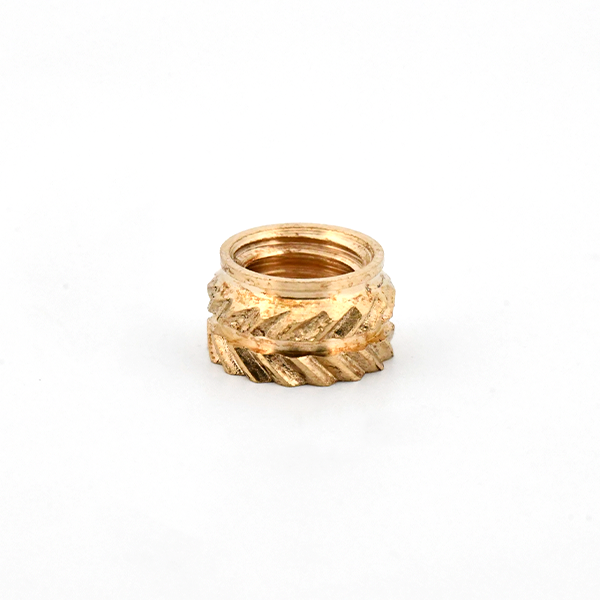
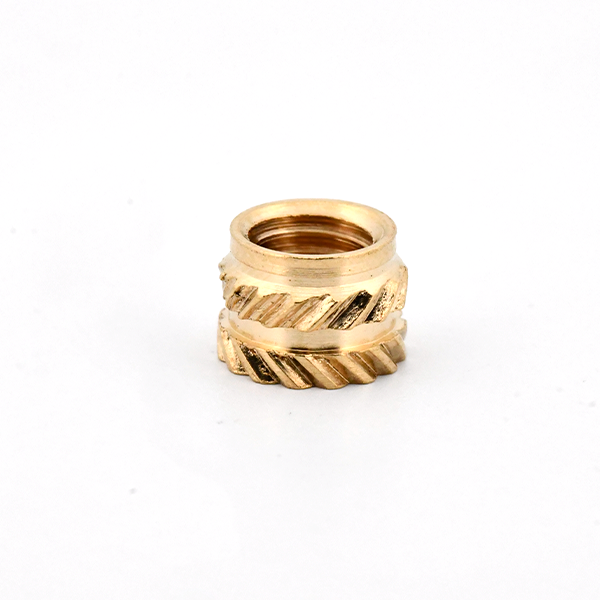
Good quality makes all the difference. Metal parts, such as stainless steel or brass, are strong and durable. They are ideal for permanent installations or projects that you move often. Plastic parts are light and non-conductive. They are perfect for sensitive electronics and less susceptible to rust.
You can reuse a lot of assembly material. That saves costs and makes your working method more sustainable. Do you opt for good quality? Then you prevent parts from coming loose or breaking. That saves time and frustration.
A professional end result
Good mounting material ensures a neat finish. Your parts stay in place, your project looks professional and works reliably. Whether you are a beginner or an experienced maker: with the right material you build better, safer and with more fun.